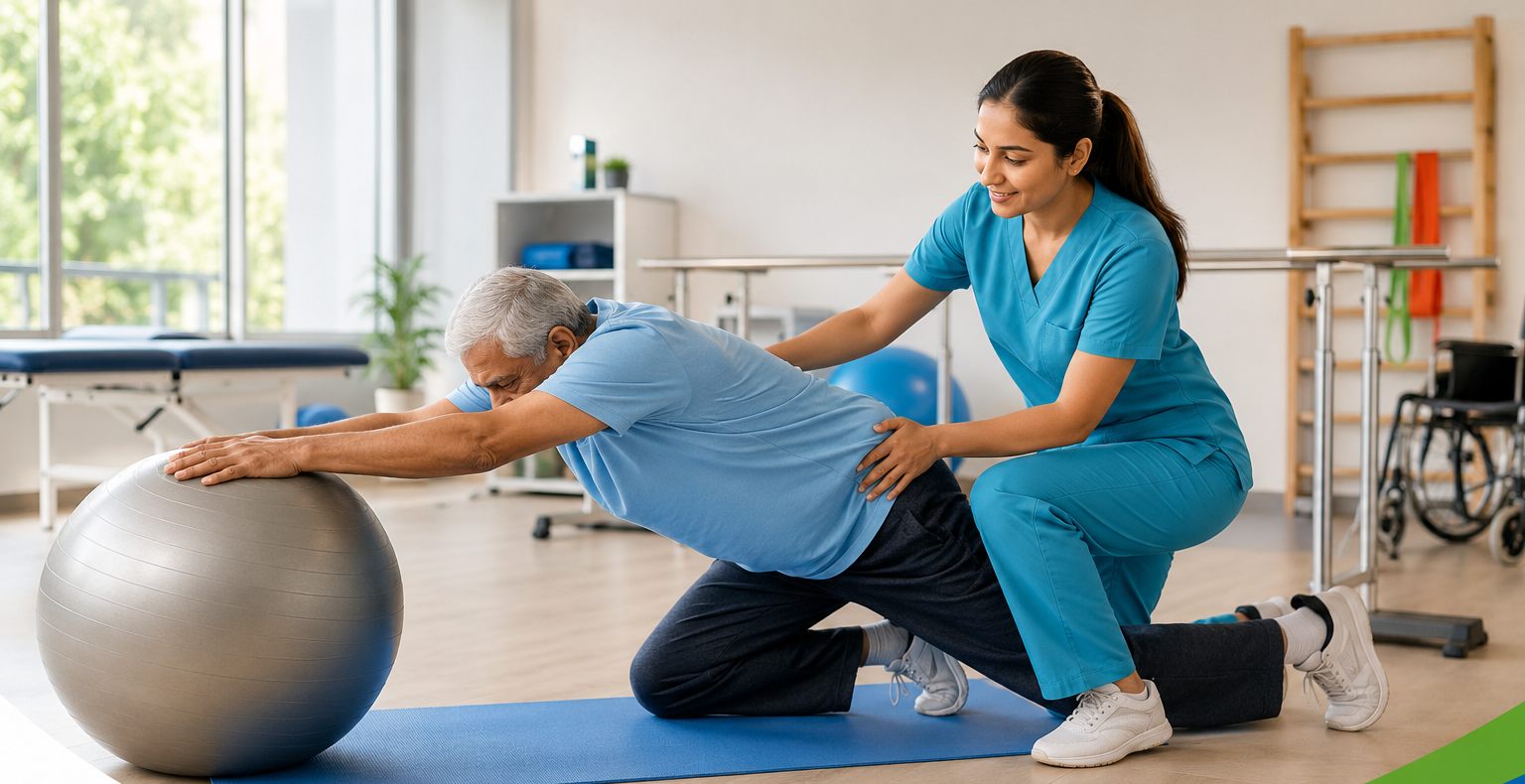
Caring for an older parent or loved one can bring many questions. Find simple, practical guidance for daily care, fall prevention, recovery, mobility, and healthy aging
Consistent routines are among the most effective non-drug strategies in promoting healthy aging. Routines add structure and decrease anxiety and encourage independence (Harrison & Lee, 2020). Research on geriatric nursing indicates that patients who have a predictable daily routine demonstrate higher rates of medication adherence, decreased number of emergency room visits, and better sleep quality (Matsumoto et al., 2019).
Routines help cognitively impaired senior reduce confusion and sundowning because of recognizable stimuli (Wong & Chen, 2021). In addition, routines make it easier for caregivers to organize care activities, prevent decision fatigue, and detect changes in senior’s health early (Geriatric Care Guidelines, 2022).
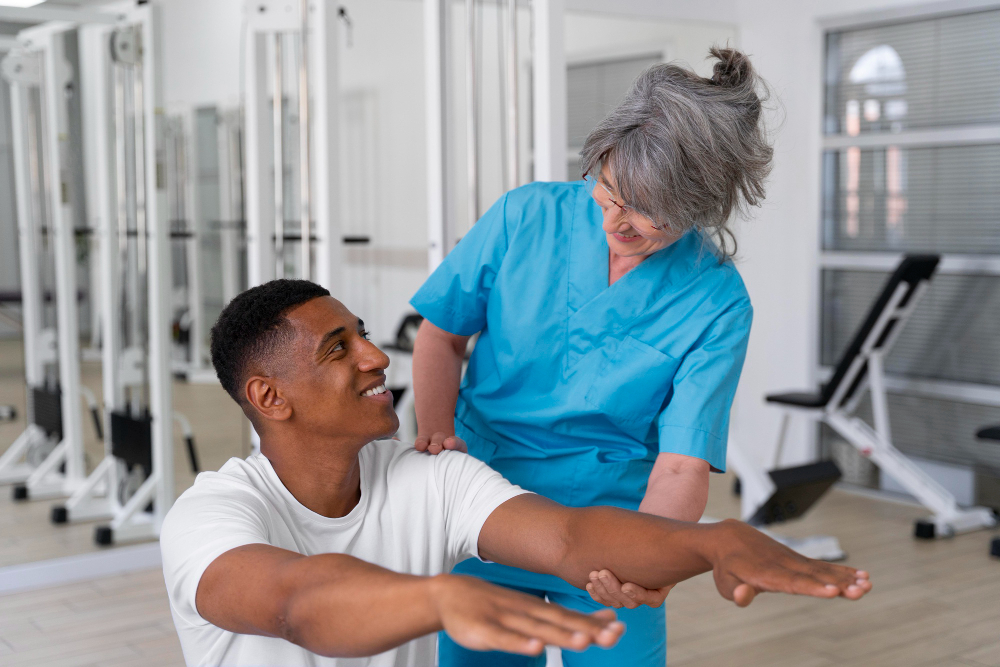
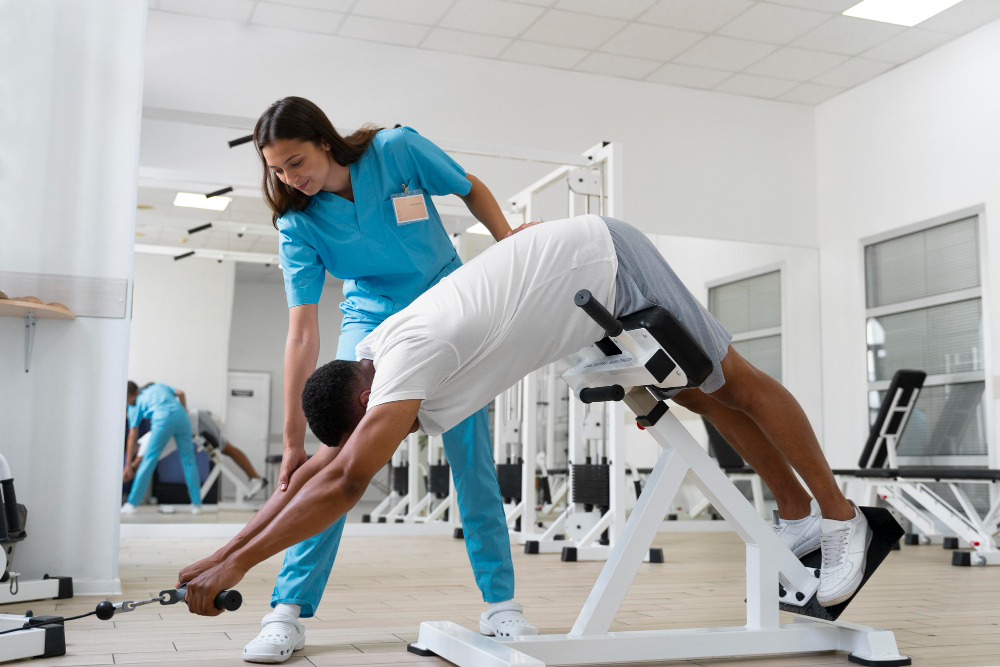
Post-orthopaedic surgery rehabilitation is a step-by-step process which requires patience, perseverance and active involvement of the patient as well as rehabilitation specialists. Total Knee Arthroplasty (TKA) and Total Hip Arthroplasty (THA) can be considered the most successful surgeries performed for decreasing pain and increasing mobility in people suffering from arthritis, bone fracture or degenerative joint disorder. Though the surgery fixes the problem, its success is primarily determined by a rehabilitation programme.
The main objectives of rehabilitation after the surgery are decreasing pain and swelling, recovery of joint mobility, improvement of muscle strength, restoration of mobility and safe return to ADLs. Rehabilitation specialists are very important as they provide patients with individual exercise programmes, track their progress, educate them about necessary precautions and prevent complications like joint stiffness, muscle atrophy, deep vein thrombosis and falls.The rate of recovery depends on a number of factors such as age, general health, surgical approach, pre-surgical functioning, and rehabilitation. The vast majority of patients recover significantly after three months, but full recovery takes six to twelve months.2. Goals of Post-Surgical RehabilitationKey aspects of an efficient rehabilitation program include:
Limiting pain and swelling after surgery.
Safeguarding the surgical site.
Rehabilitating the full range of joint movement.
Muscle strengthening and stamina improvement.
Avoiding complications like DVT, pressure sores, and pulmonary complications.
Restoring the ability to walk independently.
Balancing and coordination improvement.
Safe return to work and recreational activities.
Quality of life and joint functioning improvement.
Early mobilization is known to shorten hospital stays, improve circulation, and hasten functional rehabilitation.
Total knee replacement surgery involves the surgical implantation of artificial components for the worn-out joint surfaces. The rehabilitation process starts on the day of surgery as soon as it is medically indicated.
Phase I: Early Recovery (Days 0-7)
Objectives
Pain and swelling reduction.
Restoration of full extension of the knee.
Achieving of around 70-90° of knee flexion.
Starting of walking.
Blood clot prevention.
Recommended Exercises
Ankle Pumps
Perform frequent ankle pumps while awake for an hour; that will increase venous return and reduce the possibility of DVT formation.
Quadriceps Sets
Position yourself in a supine position with straightened knees and contract your thigh muscles by pressing the knee down to the bed; hold it for 5-10 seconds and perform 10-15 repetitions.
Gluteal Sets
Squeeze both buttocks together for 5 seconds and then relax; make 10-15 repetitions.
Heel Slides
Try to slide the heels towards the buttocks when you feel stretch sensation, then straighten the legs slowly.
Passive Knee Extension
Supporting only the ankle, place a towel roll under the foot, and allow gravity to extend the knee.
Apply ice packs for 15-20 min each few hours to reduce swelling.
Phase II: Early Recovery (Weeks 1–6)
Goals include:
To attain full extension of the knee joint.
Increase knee flexion to 110-120°.
Improve quadriceps muscle strength.
Walking without assistance.
Performing stair climbing.
Exercises include:
Direct Leg Raises
Small Squats (0-45°)
Sitting Knee Flexion
Hamstring Curls Standing
Toe Raises
Sit to Stand Drills
Weight Shifting Activities
Patients slowly progress from walkers to canes depending on their muscle strength and balance.
Contrary to popular belief, Lorem Ipsum is not simply random text. It has roots in a piece of classical Latin literature from 45 BC, making it over 2000 years old. Richard McClintock, a Latin professor at Hampden-Sydney College in Virginia, looked up one of the more obscure Latin words, consectetur, from a Lorem Ipsum passage, and going through the cites of the word in classical literature, discovered the undoubtable source. Lorem Ipsum comes from sections 1.10.32 and 1.10.33 of “de Finibus Bonorum et Malorum” (The Extremes of Good and Evil) by Cicero, written in 45 BC. This book is a treatise on the theory of ethics, very popular during the Renaissance. The first line of Lorem Ipsum, “Lorem ipsum dolor sit amet..”, comes from a line in section 1.10.32.
Contrary to popular belief, Lorem Ipsum is not simply random text. It has roots in a piece of classical Latin literature from 45 BC, making it over 2000 years old. Richard McClintock, a Latin professor at Hampden-Sydney College in Virginia, looked up one of the more obscure Latin words, consectetur, from a Lorem Ipsum passage, and going through the cites of the word in classical literature, discovered the undoubtable source. Lorem Ipsum comes from sections 1.10.32 and 1.10.33 of “de Finibus Bonorum et Malorum” (The Extremes of Good and Evil) by Cicero, written in 45 BC. This book is a treatise on the theory of ethics, very popular during the Renaissance. The first line of Lorem Ipsum, “Lorem ipsum dolor sit amet..”, comes from a line in section 1.10.32.